

Exercise and Menopause

Why it's a challenge and why it's worth it

As a woman, you will spend a third of your life in menopause. The quality of life during this period is significantly influenced by your activity level in perimenopause. Staying active not only enhances your well-being during perimenopause but also alleviates pre and post-menopausal symptoms.
Why do many women neglect their health and well-being at this crucial life stage?
The answer is stress. Stress activates our survival instincts, diverting energy from the prefrontal cortex—responsible for long-term planning and logic—to the brain's primitive survival areas. Under constant stress, we operate in survival mode.
Why are women so stressed during perimenopause?
It's not just hormones and symptoms at play. Alongside health concerns that come with aging, women often juggle caring for children, work commitments, and the additional responsibility of caring for elderly parents. This caregiving is often in conjunction with looking after children and even grandchildren.
One in four women aged 50-64 (compared to one in six men) have caregiving responsibilities. This means 50% more women than men are caring for others, many of whom are "sandwich carers" (caring for both parents and children/grandchildren). 42% of carers estimate they spend 10 hours a week caring for others on top of other demands on their time and energy. Yet, they only allocate an average of four hours a week to self-care. That's just 35 minutes a day for themselves! With the challenges of menopause, is it any surprise that women often deprioritize their own health and well-being?
According to The Menopause Charity:
66% of women say they don't have time to exercise
51% of women say they lack motivation to exercise
49% of women are just too tired to exercise
Where can women find support to get started?
Many aspects of the fitness industry tend to overlook middle-aged women and the unique challenges they encounter, making it seem like resources for women to re-engage with fitness are scarce. However, if you're reading this post, you already know there are trainers who specialise in addressing the needs of these women. Whether through certifications, personal experience or continuous learning, we are here to help. Having a trainer devoted to you, who understands your life stage and can offer emotional as well as physical support, might provide much more than just exercise coaching. We offer genuine support and care that might be lacking in your everyday life.
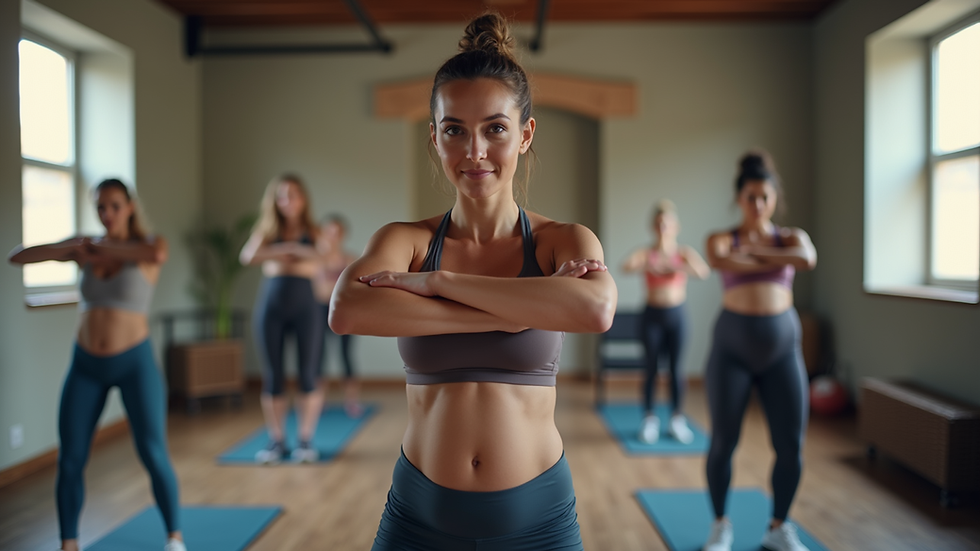
If individual training isn't suitable for you, consider group classes designed for women, particularly those tailored to beginners. It's an excellent way to start, and if you enjoy a group environment, these classes are perfect.
Additionally, there are numerous free resources online. This website's Knowledge Hub is one of them!
That's all well and good, but I'm still not convinced. Why should I add more to my week with exercise?
The advantages of regular physical activity cannot be overstated. Regular, consistent exercise leads to an improved quality of life, a lower risk of certain health conditions, reduced severity of symptoms in existing conditions, and enhanced mental health and overall wellbeing.
Physical Benefits | Mental Benefits | Social Benefits |
Improved cardiovascular health | Reduced anxiety and stress | Encourages social engagement and fosters community development |
Improved muscle strength and stamina | Enhances mood and aids in fighting depression | Promotes collaboration and teamwork |
Increased flexibility and balance | Improved cognitive function and memory | Lowered healthcare expenses by avoiding illness |
Aids weight management | Enhances self-esteem and confidence | Boosts workplace productivity and decreases absenteeism |
Reduction in risk of chronic diseases, e.g. heart disease and diabetes | Enhances concentration and reduces brain fog | Helps create a healthier population, lessening the strain on healthcare systems |
Reduces the risk and severity of osteoporosis by strengthening bones | Reduces symptoms of some mental health conditions, e.g. PTSD | Promotes healthy lifestyle practices among families and communities |
Boosts the immune system | Improved emotional resilience | Reduction in sedentary lifestyles |
Assists in pain management | Reduction in insomnia and improved sleep patterns | Promotes intergenerational bonding through activity |
Increased mobility / reduction in joint stiffness | Improved quality of sleep | Helps the environment through encouraging active transportation, e.g. walking and cycling |
Improved physical performance and endurance | Enhances overall mental well-being and life satisfaction |
And the news gets better!
A study conducted in 2019 revealed that engaging in moderate to high levels of activity actually reduced the severity of menopausal symptoms. The research also indicated that perimenopausal women experienced the most severe symptoms, thus benefiting the most from regular exercise!
Developing a strong, resilient body helps to shield you from certain long-term health conditions like osteoporosis and heart disease, which are closely linked to the decline in oestrogen levels during perimenopause and post-menopause. Exercising during menopause can greatly alleviate both the negative experiences and outcomes women face during this phase of life.
Why it's worth it.
The take-away is, it is worth the extra time and effort to put yourself first and start exercising. Physically, mentally and even socially, getting into regular exercise can benefit you in so many ways. Structures, targted physical activity can make you feel back in control of your life (and your body). Giving you the ultimate say in how you get to live that last, wonderful 1/3.


Comments